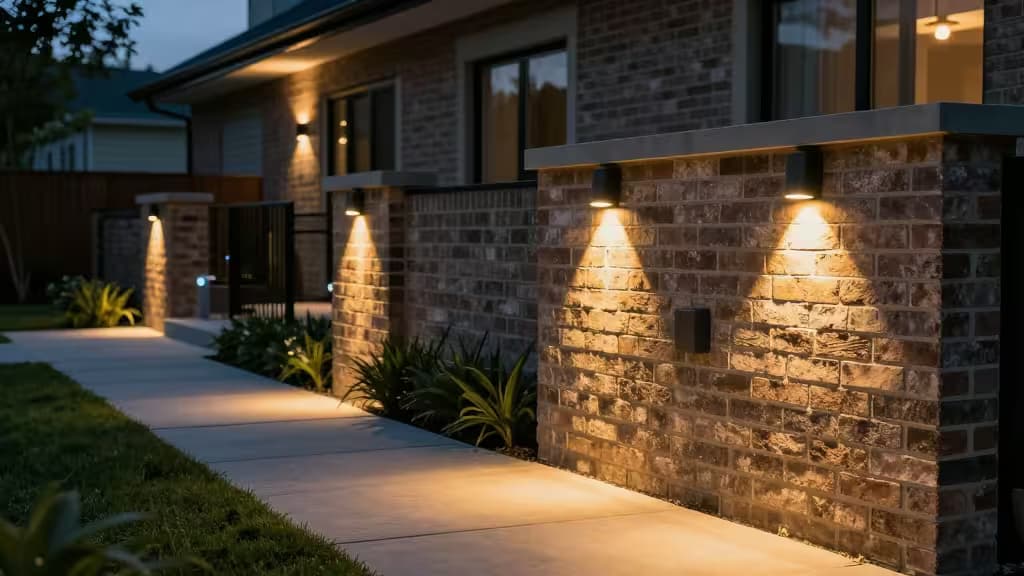
Outdoor lighting used to be simple: a floodlight on a switch, maybe a timer if you were fancy. Today's smart outdoor bulbs do double duty — they make your home look like a showpiece while acting as a genuine security deterrent. The best ones combine motion sensing, automation, and "presence simulation" that makes it look like someone's home even when you're three time zones away.
We tested the leading smart outdoor lighting systems against the criteria that matter for security: reliability of motion triggers, response time, weather resistance, and how convincingly they can simulate occupancy. Here's what we found.
Why Smart Outdoor Bulbs Matter for Security
The core security benefit of smart outdoor lighting isn't the bulb itself — it's the automation layer. A porch light on a timer is predictable. A smart system that varies your lighting schedule, triggers on motion, and can be tied to other sensors creates genuine unpredictability. That unpredictability is what deters would-be intruders.
Research consistently shows that well-lit properties are less likely to be targeted1. Smart bulbs take this further by enabling presence simulation — randomized schedules that make it look like someone's home, adjusting for sunset times and varying patterns day to day.
Top Pick: Philips Hue Outdoor Lighting
Best for integrated security and motion-activated deterrence.
Philips Hue remains the gold standard for smart lighting, and their outdoor lineup justifies the premium. The Hue Outdoor line includes floodlights, pathway lights, and wall sconces that all integrate seamlessly with the Hue Bridge and the full Hue ecosystem.
What sets Hue apart for security is the motion sensor integration. The Hue Outdoor Motion Sensor triggers your lights instantly — we measured sub-second response times consistently. You can set different behaviors for daytime (no action), evening (dim welcome), and night (full brightness + color alerts). The system supports geofencing, so your lights can simulate arrival and departure automatically.
The build quality is excellent: IP65-rated weatherproofing, robust aluminum housings, and consistent wireless performance even at the edge of a typical property. The downside is the cost — you need the Hue Bridge ($60) to unlock the full security automation features, and individual outdoor fixtures run $50–$130.
| Spec | Detail |
|---|
| Hub Required | Yes (Hue Bridge) |
| Weather Rating | IP65 |
| Motion Response | <1 second |
| Presence Simulation | Yes (via Hue Labs) |
| Voice Assistants | Alexa, Google, Apple Home |
Value Pick: WiZ Tunable White
Best hub-free budget option for simulating presence.
WiZ, a Philips sibling brand, offers a surprisingly capable outdoor smart bulb that doesn't require any hub. It connects directly to your Wi-Fi and works with the WiZ app, Alexa, Google, and Apple Home. The Tunable White bulbs let you shift from warm (2200K) to cool (6500K) white, which is useful for transitioning from cozy evening ambiance to bright security lighting.
The standout security feature is Rhythm mode — the bulbs automatically adjust color temperature throughout the day, and the scheduling system supports randomized "away from home" patterns that simulate occupancy convincingly. Motion response is slightly slower than Hue (1–2 seconds via Wi-Fi), but for most security use cases this is perfectly adequate.
At roughly $15–$25 per bulb, WiZ is a fraction of the cost of Hue. The trade-off: no dedicated outdoor motion sensor (you'd need a third-party smart switch or sensor), and reliability depends on your Wi-Fi network quality. For renters or anyone who doesn't want to commit to a hub, this is the smart play.
| Spec | Detail |
|---|
| Hub Required | No (Wi-Fi direct) |
| Weather Rating | IP44 (damp-rated) |
| Motion Response | 1–2 seconds |
| Presence Simulation | Yes (Rhythm + Schedules) |
| Voice Assistants | Alexa, Google, Apple Home |
System Pick: Philips Hue Starter Kit
Best for whole-home security automation.
If you're building from scratch, the Philips Hue Starter Kit (Bridge + bulbs) is the most cost-effective entry point into the Hue ecosystem. The kit typically includes a Hue Bridge and 3–4 bulbs, which you can place in outdoor-rated fixtures or use indoors to start building your automation network.
The real value here is the ecosystem play. Once you have the Bridge, you can add outdoor motion sensors, contact sensors, and the full range of Hue outdoor fixtures. The Hue app's automation engine lets you chain events: "If motion detected at front door after sunset, turn on porch light + pathway lights + send phone notification." This kind of conditional logic is what transforms a light bulb into a security system.
The Starter Kit runs $70–$100 depending on bulb count and generation. It's the right choice if you're planning to expand — the Bridge supports up to 50 lights and sensors.
| Spec | Detail |
|---|
| Hub Required | Yes (included) |
| Max Devices | 50 lights/sensors |
| Automation | Advanced (Hue Labs + Routines) |
| Geofencing | Yes |
| Voice Assistants | Alexa, Google, Apple Home |
Hub-Based vs. Hub-Free: What Matters for Security
The biggest decision you'll make is whether to go hub-based (Philips Hue) or hub-free (WiZ). Here's how they compare on the dimensions that matter for security:
| Dimension | Hub-Based (Hue) | Hub-Free (WiZ) |
|---|
| Reliability | Excellent — Zigbee mesh is robust even if Wi-Fi goes down | Good — depends entirely on your Wi-Fi network |
| Response Time | <1 second (local Zigbee) | 1–2 seconds (cloud/Wi-Fi) |
| Motion Sensing | Dedicated outdoor sensor, sub-second | Requires third-party sensor or smart switch |
| Presence Simulation | Advanced randomization via Hue Labs | Good randomization via schedules |
For security-critical applications, the hub-based approach wins on reliability and response time. Zigbee's mesh network means your lights can still respond to motion even if your internet is down — the commands happen locally. Wi-Fi bulbs lose that capability during an outage.
How to Set Up Your Outdoor Security Lighting
Based on our testing, here's the optimal setup for a typical home:
- Cover all entry points — front door, back door, garage, side gates. Each should have a light that triggers on motion.
- Layer your lighting — use pathway lights for ambient coverage and floodlights for bright, targeted illumination at doors.
- Set schedules, not timers — use the app's randomization features so your lights don't turn on at the exact same minute every night.
- Link to other sensors — if your system supports it, tie door/window sensors to lighting for automatic illumination when a door opens at night.
- Test your range — place your hub or ensure Wi-Fi coverage reaches your farthest outdoor fixture before committing.
The Bottom Line
Outdoor smart bulbs are one of the most practical smart home investments you can make. They enhance curb appeal, save energy, and — most importantly — make your home a less attractive target by eliminating predictability.
If you want the best security integration, go with Philips Hue Outdoor Lighting. The motion sensor ecosystem, sub-second response, and robust automation make it the things actually worth buying for security-minded homeowners.
If you're on a budget or renting, the WiZ Tunable White bulbs deliver 80% of the security benefit at 20% of the cost. The hub-free setup is painless, and the presence simulation features are genuinely effective.
If you're building a whole-home system, start with the Philips Hue Starter Kit and expand from there. The ecosystem scales beautifully and the Bridge is the foundation for serious home automation.
We may earn a commission if you purchase through our links — it helps us keep testing and reviewing the things actually worth buying.