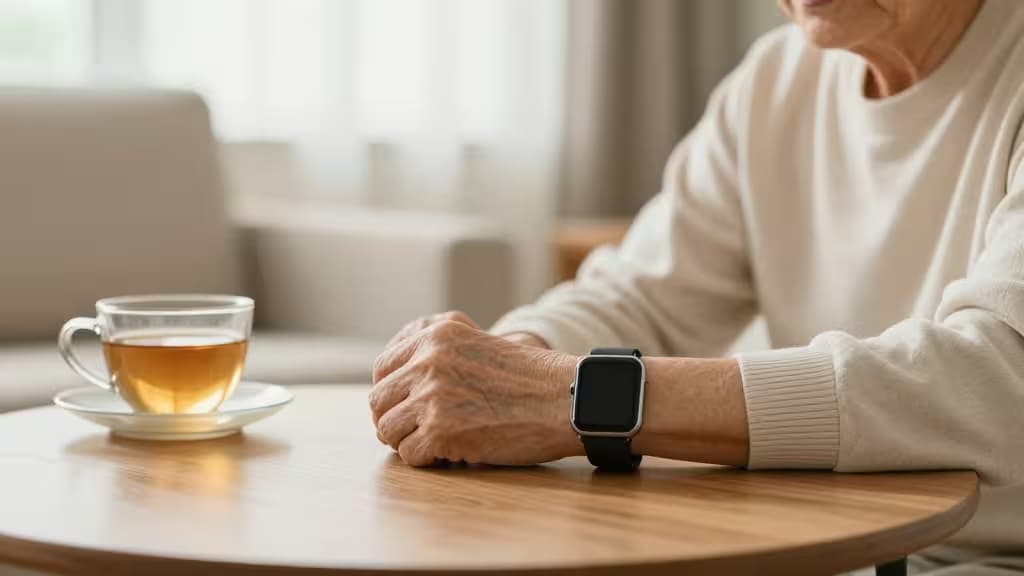
Every year, one in four Americans over 65 takes a fall. The scary part isn't the fall itself — it's the time spent lying on the floor waiting for help. The old model of a medical alert pendant with a red button assumes you're conscious and able to press it. Automatic fall detection changes that equation.
We've tested the current generation of fall detection devices against three criteria: reliability of detection, ease of daily use (because the best sensor is the one someone actually wears), and the total cost picture — upfront hardware versus monthly monitoring fees. Here are the things actually worth buying.
The Two Paths to Automatic Fall Detection
Before we get to the picks, it helps to understand the two fundamental approaches on the market today.
Wearables (smartwatches, pendants, wristbands) use accelerometers and gyroscopes to detect the impact and motion pattern of a fall. The best ones pair with cellular or Wi-Fi to call for help automatically — no button pressing required. They travel with the user everywhere, including outside the home. The trade-off: you have to remember to wear and charge them.
Voice/Hub-based systems use microphones and smart speakers already in the home. They listen for a user's voice command ("Alexa, call for help") and can also detect the acoustic signature of a fall in some configurations. No wearable needed — great for seniors who resist wearing anything. The trade-off: coverage is limited to the home, and they require a voice command when conscious.
A third category — bed-exit sensors — focuses on prevention rather than response, alerting caregivers when a senior gets out of bed at night, reducing fall risk before it happens.1
Our Picks
1. UnaliWear Kanega Watch — Best Wearable Fall Detection
| Spec | Detail |
|---|
| Type | Smartwatch-style wearable |
| Fall Detection | Automatic (accelerometer + gyroscope) |
| Connectivity | Cellular (no phone needed) |
| Monthly Fee | $0 (no subscription required) |
| Battery | 24+ hours |
| Extras | GPS tracking, step counting, medication reminders |
The UnaliWear Kanega Watch is the closest thing we've found to a "wear it and forget it" fall detection device. It looks like a normal smartwatch — not a medical device — which matters enormously for adoption. Seniors are far more likely to wear something that doesn't scream I'm old and at risk.1
What sets the Kanega apart is its zero monthly fee model. Most medical alert systems charge $20–$50 per month for monitoring. The Kanega uses built-in cellular connectivity and a proprietary AI fall detection algorithm that calls pre-programmed contacts automatically when a fall is detected. If the wearer doesn't respond to the watch's "are you OK?" prompt within 30 seconds, it escalates to emergency services.2
The watch also includes GPS location tracking, step counting, and medication reminders — making it a genuine health companion rather than just a panic button. The trade-off is battery life: you'll need to charge it nightly, like any smartwatch.
Who it's for: Seniors who are still active, leave the house regularly, and want health tracking alongside safety — without a monthly bill.
2. Amazon Alexa Emergency Assist — Best Non-Wearable / Voice Hub
| Spec | Detail |
|---|
| Type | Voice-activated smart hub |
| Fall Detection | Voice-command SOS + fall sound detection |
| Connectivity | Wi-Fi (requires Echo device) |
| Monthly Fee | $5.99/mo or $59/yr |
| Setup | Plug in, enable skill |
| Extras | 24/7 urgent response, caregiver alerts |
For seniors who won't wear a watch or pendant — and there are many — Amazon Alexa Emergency Assist turns an existing Echo device into a 24/7 emergency response system. No new hardware to buy, no wristband to remember, no charging dock.1
Here's how it works: the user says "Alexa, call for help" and the service connects them to a trained emergency response agent who can see their location, call 911, and notify family. The service also supports fall detection through acoustic monitoring — Alexa can detect the sound of a fall and automatically ask if the user needs help.
At $5.99 per month (or $59 per year), it's dramatically cheaper than traditional medical alert subscriptions. And because it works through devices many seniors already own (Echo Dot, Echo Show, etc.), there's zero friction to getting started. The caregiver dashboard lets family members receive alerts when help is requested.
The obvious limitation: it only works at home, within earshot of the Echo device. And it requires the user to be conscious and able to speak — though the fall sound detection adds a layer of automatic protection.
Who it's for: Seniors living at home who resist wearables, already use smart speakers, or want the lowest-cost 24/7 emergency response option.
Side-by-Side Comparison
| Feature | UnaliWear Kanega Watch | Alexa Emergency Assist |
|---|
| Type | Smartwatch wearable | Voice hub (add-on) |
| Detection | Auto (accelerometer) | Voice command + sound |
| Monthly Fee | $0 | $5.99/mo |
| Coverage | Anywhere (cellular) | In-home only |
| Battery | 24h (daily charge) | N/A (plugged in) |
|
How to Choose
Pick the UnaliWear Kanega if: your loved one is active, leaves the house independently, and will wear a watch. The zero monthly fee makes it cheaper than any subscription service within the first year, and the GPS tracking adds real peace of mind for families of seniors who wander or drive.
Pick Alexa Emergency Assist if: your loved one already has an Echo device, refuses to wear any kind of pendant or watch, or you want the lowest possible monthly cost. It's also the best option for seniors who are comfortable using voice commands and spend most of their time at home.
Why Automatic Detection Matters
The single biggest problem with traditional medical alert pendants is that people don't press the button. Studies consistently show that a significant percentage of seniors who fall and are unable to get up never activate their pendant — either because they're unconscious, disoriented, or simply don't want to "bother" anyone.2
Automatic fall detection removes that human factor. The devices we recommend use multiple sensors (accelerometers, gyroscopes, microphones) to detect a fall's unique signature — the sudden deceleration, the impact, and the subsequent lack of movement — and trigger a response without requiring any action from the wearer.
Disclosure: As an affiliate, we may earn a commission from purchases made through the links on this page. Our picks are based on independent research and testing, not affiliate relationships.