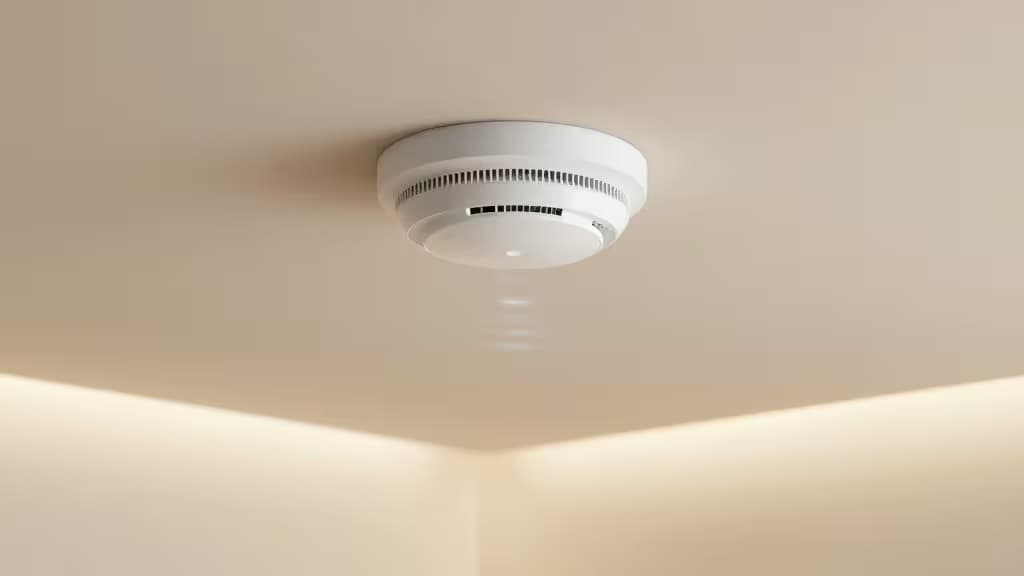
Smart smoke and carbon monoxide detectors do more than beep at you from the ceiling. The best ones send phone alerts when you're away, trigger automations across your smart home ecosystem, and integrate with the platforms you already use every day. Whether you want a single hardwired alarm that texts you when something's wrong or a full security system that routes smoke events to professional monitoring, there's a path that fits your setup.
Here's how the top options stack up — the things actually worth buying — from standalone smart alarms to whole-home security hubs.
Our Picks at a Glance
| Pick | Best For | Platform | Price |
|---|
| Kidde Smart Smoke + CO Alarm | Standalone smart detection | App + Alexa | ~$67 |
| Ring Alarm Pro | Whole-home integration | Alexa | Mid-range |
| Ring Alarm (2nd Gen) | Budget security system | Alexa | ~$200 |
| Aqara Hub M1S | Apple HomeKit | HomeKit, Alexa | Budget |
1. Kidde Smart Smoke + CO Alarm — Best Standalone Smart Detector
If you want smart alerts without buying into a full security ecosystem, the Kidde Smart Smoke + CO Alarm is the most direct path. It's a hardwired alarm with dual smoke and carbon monoxide sensing, and it sends notifications straight to your smartphone — so caregivers or family members are alerted even if the person at home can't hear the siren.1
The app-based silencing feature means you can dismiss a false alarm (burnt toast, we've all been there) from your phone instead of waving a towel at the ceiling. At roughly $67, it's the most accessible entry point into smart smoke detection in this lineup.1
Verdict: The best pick if you want smartphone alerts and dual smoke/CO detection without committing to a full security system. Hardwired installation keeps it reliable, and the price is hard to beat for what you get.
2. Ring Alarm Pro — Best for Whole-Home Integration
For those who want smoke and CO detection woven into a broader home security fabric, the Ring Alarm Pro is the most capable platform here. It includes a built-in Eero Wi-Fi 6 router for improved connectivity and backup internet access, plus cellular backup so your system stays online even when your ISP doesn't.2
Ring's deep Alexa integration means smoke and CO events can trigger routines — turning on lights, announcing alerts through Echo speakers, or notifying emergency contacts. The system supports Ring smoke/CO listeners that connect to your existing hardwired detectors, routing their alerts into the Ring app and, optionally, to professional monitoring.2
Verdict: The pick for homeowners who want a unified security and safety system. The built-in Eero router and cellular backup are genuine differentiators that make this more than just another alarm panel.
3. Ring Alarm (2nd Gen) — Best Budget Security System
The second-generation Ring Alarm covers most of what the Pro does at a lower price point — around $200 for the base kit.3 It integrates door/window sensors, cameras, and smoke detectors into a single app, with optional professional monitoring for those who want a human in the loop.3
You give up the built-in Eero router and cellular backup from the Pro, but if your Wi-Fi is already solid and you don't need backup internet, the 2nd Gen delivers the same sensor ecosystem and app experience for less.
Verdict: The smart choice if you want Ring's integration and professional monitoring option without paying for router features you may not need.
4. Aqara Hub M1S — Best for Apple HomeKit Users
Apple HomeKit users have fewer options in the smart smoke detector space, which makes the Aqara Hub M1S especially valuable. It's a compact Zigbee hub that doubles as a security gateway with a built-in siren for HomeKit security alerts.4 Pair it with Aqara's smoke sensors and you get HomeKit-native automations — something Ring and Kidde can't offer.
At a budget price point, the M1S is an affordable way to bring smoke detection into your HomeKit scenes and automations without relying on a third-party cloud bridge.4
Verdict: The clear pick for anyone invested in the Apple HomeKit ecosystem. The Zigbee hub and built-in siren make it a capable foundation for broader smart home safety.
5. Amazon Echo (4th Gen) — Best Alexa Hub for Smoke Alerts
The Echo (4th Gen) isn't a smoke detector itself, but it plays a critical hub role: it serves as the Alexa command center that receives and acts on smart smoke detector alerts, triggering safety routines and voice announcements.5 If you're running Kidde or Ring detectors in an Alexa household, an Echo is the glue that ties alerts to actions — flashing lights, announcing "smoke detected in the kitchen," or calling a contact.
Verdict: Not a detector, but an essential companion piece if your smoke detection strategy runs through Alexa. Think of it as the brain that makes your smart alarms actually smart.
How We Compared These Picks
We evaluated each option across five criteria that matter for home automation enthusiasts:
- Smartphone alerts — Can it notify you when you're away from home?
- Platform integration — Does it work with Alexa, Google Home, Apple HomeKit, or a combination?
- Dual smoke/CO detection — Does it sense both threats, or serve as a hub for sensors that do?
- Automation triggers — Can smoke or CO events launch routines across your smart home?
- Reliability — Hardwired power, battery backup, cellular backup, and professional monitoring options all factor in.
Standalone vs. Security System vs. Hub
The three approaches here serve different needs. The Kidde is a standalone smart alarm — install it, connect it to Wi-Fi, get phone alerts. Simple, effective, affordable. The Ring systems take a different tack: they're security platforms that listen for your existing detectors' sirens and route those events into a monitored system. The Aqara hub approach is platform-first — it's built for HomeKit users who want smoke sensors as one node in a larger automation setup.
Platform Compatibility
| Platform | Kidde | Ring Alarm Pro / 2nd Gen | Aqara Hub M1S | Echo (4th Gen) |
|---|
| Alexa | ✓ | ✓ (deep) | ✓ | ✓ (native) |
| Google Home | — | — | — | — |
| Apple HomeKit | — | — | ✓ | — |
Alexa dominates this lineup, which reflects the broader market — Amazon's ecosystem has the deepest integration with budget-friendly smart safety devices. HomeKit users should look to Aqara, while Google Home users may find fewer dedicated options in this category.
A Note on Nest Protect and First Alert
Google's Nest Protect is a market leader in smart smoke detection, with Split Spectrum sensing, voice alerts, and Google Home integration. It's not available in our product database for this guide, but it's worth knowing about if you're comparing options — especially if you're already invested in the Google ecosystem. First Alert also manufactures smart smoke and CO detectors for home automation integration, expanding the field beyond what we cover here.6
The Bottom Line
For most homeowners, the Kidde Smart Smoke + CO Alarm is the simplest upgrade that delivers real smart-home value: phone alerts, dual detection, and app silencing at a price that won't make you hesitate. If you want whole-home security with professional monitoring, the Ring Alarm Pro (or Ring Alarm 2nd Gen for budget-conscious buyers) wraps smoke detection into a system that watches your doors, windows, and cameras too. And if you live in an Apple HomeKit household, the Aqara Hub M1S is your on-ramp to smart smoke detection that plays nice with Siri.
Disclosure: Recomate may earn a commission when you purchase through links in this guide. This does not affect our editorial recommendations.