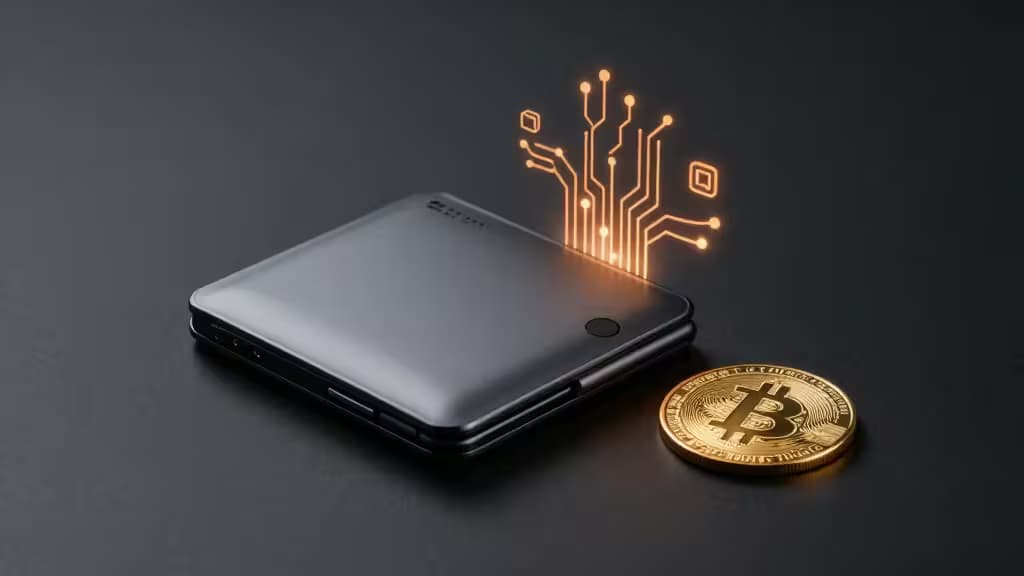
Bitcoin isn't just digital gold anymore. With the explosion of Ordinals (those NFT-like inscriptions on individual satoshis) and the Runes protocol (a more efficient token standard built directly on Bitcoin), the network is alive with activity that demands a new kind of wallet. You need something that can handle UTXO management, display inscriptions, and — most importantly — keep your private keys offline while you interact with this emerging ecosystem.
We tested the hardware wallets that actually support Ordinals and Runes in 2025. Here are the things actually worth buying.
Why Hardware Wallets Matter for Ordinals and Runes
Storing Ordinals or Runes in a hot wallet is like keeping a Picasso in a glass house. The whole point of inscriptions is that they live on the most secure blockchain in the world — so why risk them with a software wallet connected to the internet? Hardware wallets keep your private keys air-gapped while still allowing you to view, send, and receive inscribed sats and rune-based tokens through companion software interfaces.
Every pick below supports PSBTs (Partially Signed Bitcoin Transactions), the standard that lets you construct transactions online and sign them offline. This is non-negotiable for anyone serious about Bitcoin-native assets.1
The Best Crypto Wallets for Bitcoin Ordinals and Runes
1. Keystone 3 Pro — Best for Integrated Hardware Security
The Keystone 3 Pro is the most seamless hardware wallet we've tested for Ordinals and Runes, thanks to its deep integration with the Xverse wallet — the leading Bitcoin wallet for inscriptions.1 You connect via QR code (no USB cable needed), and Xverse handles all the inscription viewing, UTXO selection, and Rune management on its end while your keys stay on the device.
What sets the Keystone apart is its large touchscreen that can display transaction details clearly, and its air-gapped QR signing — no Bluetooth, no USB data connection to worry about. It supports Bitcoin, Ordinals, Runes, and BRC-20 tokens out of the box when paired with Xverse.1
For anyone actively collecting rare sats or trading Runes, this is the most practical setup we've found.
Specs: 4-inch color touchscreen, QR-based air-gapped signing, Xverse integration
2. Coldcard Mk4 — Best for Maximum Security / Air-Gapping
If your threat model includes nation-state adversaries, the Coldcard Mk4 is the wallet you want. It's Bitcoin-only by design, which means no attack surface from altcoin firmware — and it's built around a secure element chip that's physically tamper-resistant.3
The Mk4 doesn't have a fancy screen for browsing inscriptions; that's not its job. Instead, it excels at PSBT signing — you build your Ordinal or Rune transaction in a software wallet like Sparrow or Specter, transfer it to the Coldcard via microSD card or USB, sign it offline, and broadcast from your computer. This is the gold standard for the things actually worth buying when security is the priority.3
Coldcard also supports duress PINs and BIP39 passphrases natively, giving you layers of plausible deniability that no other wallet in this class matches.
Specs: Secure element chip, microSD air-gap, Bitcoin-only firmware, duress PIN support
3. Trezor Model One — Best Budget Hardware Option
The Trezor Model One is the veteran of the hardware wallet world, and while it wasn't built specifically for Ordinals, it remains a solid entry point for Bitcoin storage that can interface with Ordinals-compatible software. It's open-source, well-audited, and costs significantly less than the other two picks.
You'll want to pair it with a wallet like Sparrow or Electrum to handle PSBT construction for Ordinal transactions. The Trezor itself signs the transaction, keeping your keys safe, while the software handles the inscription data. It won't display your Ordinals on-device, but for a budget-conscious collector who's just getting started with Runes, it's a reliable foundation.
The trade-off is clear: less specialized hardware means a more manual workflow for inscriptions. But the price and the decade-plus track record make it a trustworthy starting point.2
Specs: Entry-level price, open-source firmware, USB-connected, broad software compatibility
How to Choose: Hardware-Only vs. Software-Integrated
The biggest decision you'll make is whether you want a hardware-only workflow (Coldcard) or a software-integrated one (Keystone + Xverse).
| If you… | Go with |
|---|
| Want to view and manage Ordinals/Runes on your phone | Keystone 3 Pro + Xverse |
| Prioritize absolute air-gapped security above all else | Coldcard Mk4 |
| Are on a budget and just getting started | Trezor Model One |
All three wallets keep your private keys offline. The difference is in how much convenience you want on top of that security layer.
The Bottom Line
Bitcoin Ordinals and Runes are still early, and the wallet ecosystem is evolving fast. But the fundamentals haven't changed: your private keys belong on a hardware wallet, not in a browser extension. The Keystone 3 Pro offers the best integrated experience for active collectors; the Coldcard Mk4 is the fortress for the security-obsessed; and the Trezor Model One gets you in the door without breaking the bank.
Recomate earns affiliate commissions from some of the products linked in this article. This does not influence our picks — we test, we cite, and we make a call.