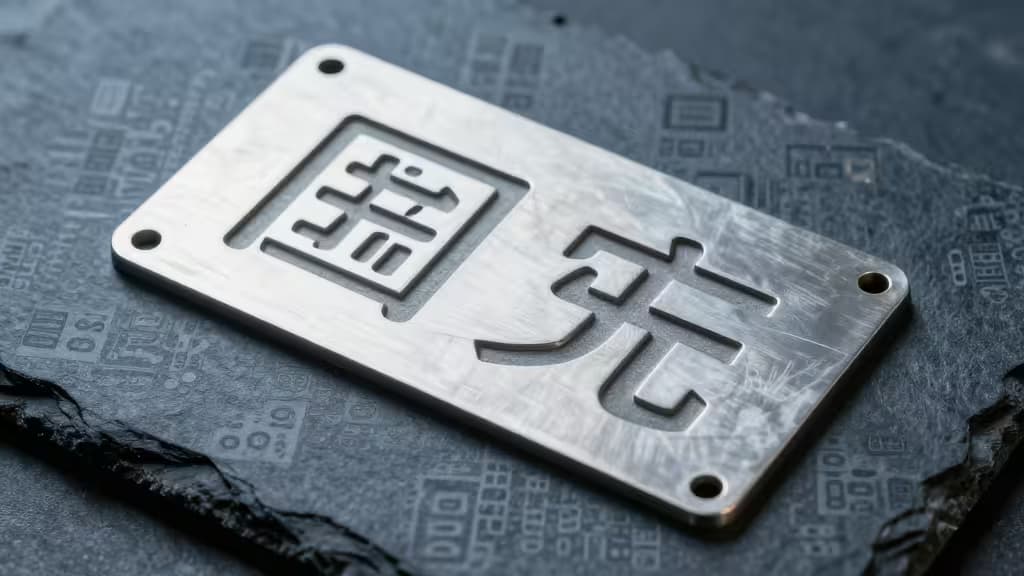
Crypto security isn't just about strong passwords — it's about where your private keys and seed phrases physically live. A password manager that stores your 12- or 24-word recovery phrase in a cloud database is a single point of failure waiting to be exploited. The best "password managers" for crypto are hardware wallets that keep keys air-gapped, metal backups that survive fire and flood, and decentralized storage that eliminates single points of failure entirely.
This guide covers the top tools across all three layers of a proper defense-in-depth strategy — because the things actually worth buying are the ones that protect you when everything else goes wrong.
The Three Layers of Key Storage
Before diving into the picks, it helps to understand that no single tool covers every threat model. A complete setup addresses three distinct concerns:
- Signing security — keeping private keys offline so they never touch an internet-connected device.
- Physical durability — ensuring your seed phrase survives house fires, floods, and decades of neglect.
- Custody redundancy — distributing encrypted key material so no single server, company, or jurisdiction can compromise your funds.
The picks below address each layer, and together they form a defense-in-depth strategy that's dramatically harder to breach than any one tool alone.
Our Picks
1. Keystone 3 Pro — Best Overall for Air-Gapped Key Storage
The Keystone 3 Pro communicates exclusively through QR codes, meaning the device never connects via USB, Bluetooth, or any wireless protocol that could be compromised.1 This air-gapped design eliminates an entire class of attack vectors — there's simply no physical channel for malware to travel through. The large touchscreen makes verifying transaction details straightforward, and multi-coin support means you're not locked into a single asset.
For most users, this is the hardware wallet to beat. The QR-code signing flow is more deliberate than plugging in a USB cable, but that friction is the point: every transaction requires you to visually confirm what you're signing on a device that has never been online.
2. Coinkite Coldcard Mk4 — Best for Bitcoin Maximalists
The Coldcard Mk4 is unapologetically Bitcoin-only, and that focus shows in its security engineering.2 Like the Keystone, it supports air-gapped operation — transactions can be signed via SD card or NFC without ever connecting to a computer's USB port. Advanced users get features that multi-coin wallets rarely offer: duress PINs, multi-sig support, and the ability to run entirely offline.
If you hold only Bitcoin and want the most paranoid-grade hardware wallet on the market, the Coldcard is the gold standard. Its security settings go deep enough to satisfy even professional custodians, though the interface assumes you know what you're doing.
3. Shift Crypto BitBox02 — Best for Beginners
Not everyone wants to scan QR codes or navigate advanced security menus. The BitBox02, built in Switzerland by Shift Crypto, prioritizes simplicity without cutting corners on security.3 Its USB-C connection and dual-chip design keep the form factor small, and the fully open-source firmware means every line of code is auditable by the community.
For someone buying their first hardware wallet, the BitBox02 is the easiest on-ramp. You sacrifice the air-gapped advantage of the Keystone or Coldcard, but you gain a setup process that takes minutes rather than hours. The open-source commitment is a significant trust advantage — you're not relying on a black box.
4. Tangem Wallet — Best for Newcomers on a Budget
The Tangem Wallet rethinks the form factor entirely: it's a card you tap against your phone via NFC, with no screen, no buttons, and no seed phrase to manage.4 The private key is generated on-card and never leaves the device. For users who find seed phrases intimidating — and many do — Tangem removes the most common point of failure in crypto self-custody.
The trade-off is that you're trusting the card's secure chip rather than a recoverable seed phrase (though a backup card is included). At its budget-friendly price point, Tangem is the lowest-friction entry into cold storage we've seen. It's not for power users, but it's the thing actually worth buying if you want simple, affordable protection without a learning curve.
5. Cryptotag Zeus — Best Physical Seed Phrase Backup
A hardware wallet protects your keys while you're alive and using them. But what happens to your seed phrase when it's written on paper in a drawer? The Cryptotag Zeus is an aerospace-grade titanium plate that encodes your seed phrase numerically, surviving temperatures up to 1665°C — well beyond what any house fire can produce.5 It's waterproof, crushproof, and designed to last centuries.
Every hardware wallet in this guide generates a seed phrase, and every seed phrase needs a durable backup. Paper burns. USB drives degrade. The Cryptotag Zeus is the second layer that makes your first layer meaningful. Pair it with any of the wallets above for a setup that survives both digital attacks and physical disasters.
6. Aleph Cloud — Best Decentralized Key Custody
Aleph Cloud takes a fundamentally different approach: instead of storing key material on a single device or server, it distributes encrypted data across a decentralized network with confidential compute capabilities.6 There's no single point of failure — no company that can be subpoenaed, no data center that can be breached, no jurisdiction that can seize your assets.
For web3-native users who want programmable key custody — think time-locked recovery, multi-party computation, or automated inheritance — Aleph Cloud offers infrastructure that traditional hardware wallets can't match. It's not a replacement for a hardware wallet; it's a complementary layer for those who want their key storage to be as decentralized as the assets it protects.
How They Compare
The fundamental trade-off is between security and convenience. Air-gapped wallets (Keystone, Coldcard) offer the strongest protection against remote attacks but require more deliberate transaction flows. USB-connected wallets (BitBox02) are simpler to use but expose a small attack surface through the physical connection. NFC wallets (Tangem) split the difference with a tap-to-sign model that's intuitive but depends on your phone's security.
Metal backup (Cryptotag Zeus) isn't a wallet at all — it's the essential second layer that protects your recovery phrase from physical destruction. And Aleph Cloud represents a newer paradigm: decentralized, programmable custody for users who want to eliminate single points of failure at the infrastructure level.
Why These Picks
Each pick addresses a different layer of the key storage stack. Together, they form a complete defense-in-depth strategy:
- Signing: Keystone 3 Pro or Coldcard Mk4 keeps private keys offline and air-gapped.
- Backup: Cryptotag Zeus ensures your seed phrase survives physical disasters.
- Redundancy: Aleph Cloud distributes encrypted key material across a decentralized network.
No single tool is sufficient on its own. The strongest setup combines a hardware wallet for signing, a metal backup for durability, and decentralized storage for redundancy. Pick the tools that match your threat model — and remember that the most expensive mistake in crypto isn't buying the wrong wallet, it's assuming you don't need one at all.
Disclosure: We may earn affiliate commissions from some of the products listed above. This does not influence our rankings or recommendations.